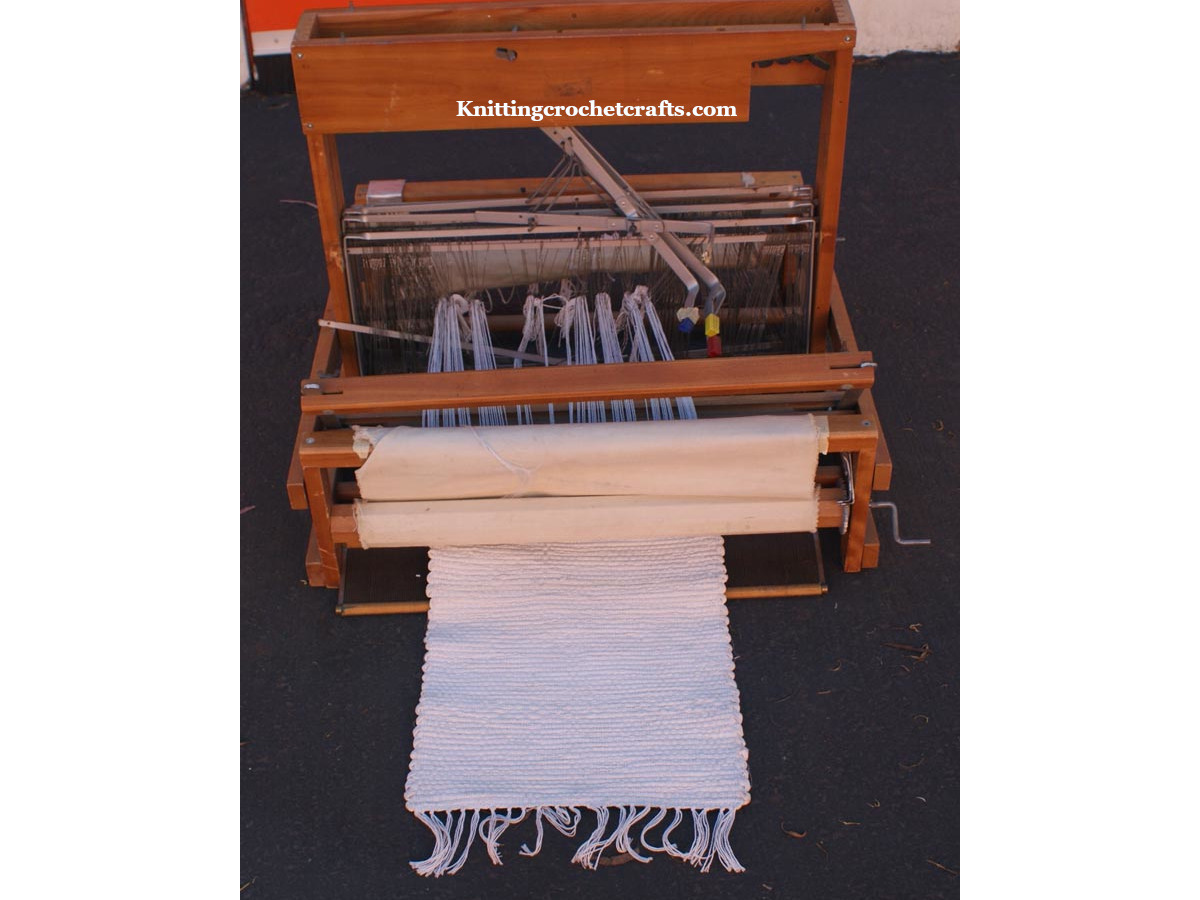
Your Guide to Craft Techniques and Projects You Can Do and Make With a Loom
There are many different types of looms, and many different loom crafts. Let’s explore the various loom crafting techniques you might want to try.
Weaving
When someone says “loom crafts,” weaving is probably the craft that comes to mind first.
To weave, the weaver uses a framework to hold multiple vertical and horizontal threads or yarns in place. The framework can be very simple or very complex, or somewhere in between. Weaving technologies range from humble, low-tech frames to highly sophisticated computerized looms.
In any case, the framework will hold vertical yarns or threads, which are called the “warp”, and it will also hold horizontal threads or yarns, referred to as the “weft”.
Typically, the first step in weaving is to prepare the warp threads or yarns and to “warp the loom,” which means to place the warp threads on the loom.
Then, the weaver uses horizontal threads or yarns, often crossing each other in a repeating pattern, to create fabric — or sometimes to create a finished object like a belt or table runner.
Sometimes, the weaver might use one or more shuttles to hold the weft threads, but this is optional.
Many different weave structures are possible. The simplest of these is known as “plain weave,” in which the threads cross each other in a simple pattern of over, under, over, under, which is repeated across the entire length and width of the fabric.
Weaving Looms
Weaving looms can be small, simple and low-tech, but they can also be sizable and complex.
When I worked in the textile industry, one of the teams I managed designed multicolored upholstery fabrics that were woven using sophisticated electronic jacquard looms.
However, electricity isn’t necessary for weaving on a loom; weaving is an ancient technology that substantially predates electricity.
The simplest looms can simply be small squares that have nails or pegs for holding loops or threads. You can use an uncomplicated loom like this to weave small projects like friendship bracelets or potholders.
Simple frame looms like this have limitations; when you work with this type of loom, both the length and the width of your finished piece of cloth are limited by the frame’s dimensions.
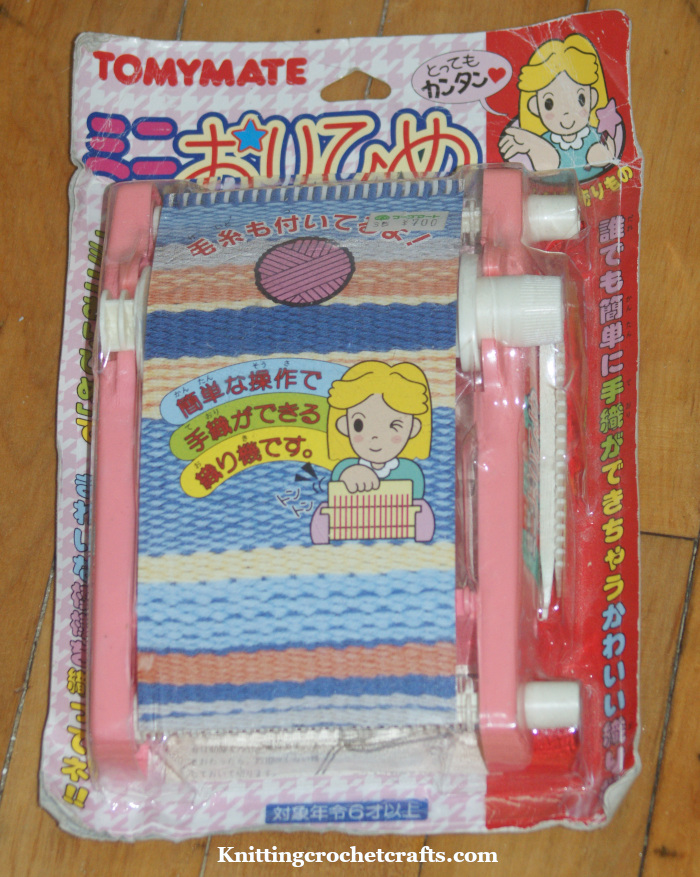
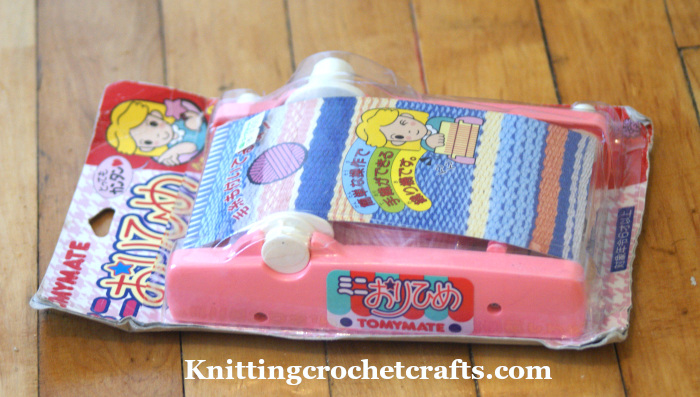
This cute little plastic toy loom is a little bit more sophisticated than the simplest frame looms; it also offers a winding mechanism that allows the weaver to create longer pieces. However, the woven fabric is still limited by the width of the toy loom.
A backstrap loom is one where the weaver’s body weight is used to create tension that holds the work in progress taut. Backstrap looms are simple and low tech, and you can use those for weaving long projects like belts and straps. This sort of loom allows you to easily weave long pieces, but the width of these projects may be limited, depending on the capabilities of the loom you’re using.
You can also use a table loom for weaving projects like placemats, table runners, and a variety of others.
If you want to weave lengths of fabric that can be used for virtually any purpose, a larger floor loom is ideal to have.
Loom Knitting
Loom knitting is substantially different than loom weaving. As with hand and machine knitting, you can use a knitting loom to create rows or rounds of fabric using loops of yarns or threads.
Knitting looms can be various shapes and sizes; they might be round, oval, or rectangular. They are typically made in configurations intended for producing useful projects like hats or socks.
If you’re interested in producing knitted projects, loom knitting gives you another low-tech option that’s less expensive than machine knitting but less awkward (in my opinion) than using double-pointed knitting needles (DPNs). (That said, some knitters who are skilled with DPNs find it more awkward to work with a knitting loom, so this is very much a matter of personal preference.)
If you don’t enjoy knitting with DPNs, but you want to knit socks, sleeves, or other small tubes, loom knitting might be an option you’d enjoy exploring.
Flower Loom Crafts
There are looms intended just for helping crafters make flowers out of yarn. These flowers can be used on their own, or combined with other fiber art techniques like crochet. They can be joined together to form just about any kind of project.
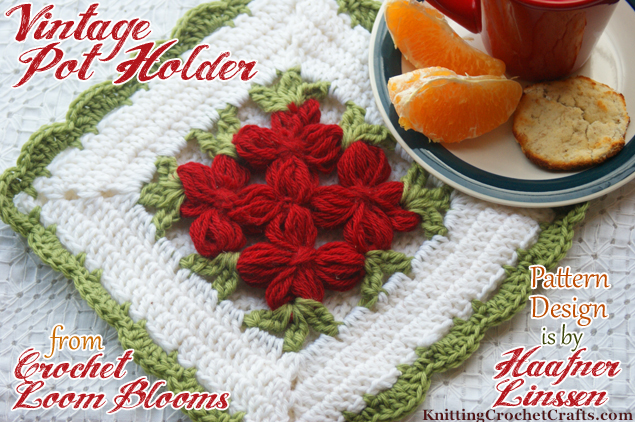
If you’re interested in learning more about how to use a flower loom, I invite you to check out this page of flower loom patterns, instructions and ideas..
Thanks for checking out this introduction to loom crafts. I appreciate your interest!
If you enjoy knitting, I invite you to return to this site often; I don’t want you to miss out on seeing future knitting book reviews, craft tutorials, project ideas and inspiration!
You can make sure you don’t lose track of this site by signing up for my newsletter and community at Substack.
Basic subscriptions are free; I send out regular newsletters to let my subscribers know about new craft articles and tutorials as they are posted. I also share details about the craft projects I’m working on, and invite my readers to share their projects, too. So there is no need to feel like it’s just you, crafting all alone at home. I’d love to have you join us! You’re invited!!
By Amy Solovay
Please Visit My Ko-Fi Shop HERE to Find My Sample Sale, Destash Sale and Digital PDF Pattern Downloads for Sale.
About Your Book Reviewer:

Amy Solovay is a real, live, human content creator and educator who holds an Associate of Arts degree in Textile Design from FIDM LA (The Fashion Institute of Design and Merchandising, Los Angeles) and a Bachelor of Arts degree in mathematics from Sweet Briar College. She is NOT a robot and does not use artificial intelligence (AI) to write book reviews or articles for this website.
Amy learned to hand knit as a teenager, and she learned to machine knit in design school at FIDM. After graduation, she worked in the textile industry as a professional knit designer. She still enjoys hand knitting all these years later.
As an educator, Amy Solovay used to teach in-person college courses in trend forecasting, marketing and surface design at California Design College in Los Angeles. Nowadays she uses online platforms for sharing her knowledge about textiles, crafts, current color trends and current design trends.
Click here to find more of my top picks for 2026’s best knitting books. Whether you’re a beginning knitter, an expert, or somewhere in between, you’ll find suggestions for lovely knitting books that’ll keep your fingers busy and your needles clicking in 2026 and beyond.
Check out the latest knitting, crochet and crafting news: This website features a broad variety of craft ideas, projects and techniques beyond just knitting. If you’d like to take a peek at some of the other craft project ideas I’ve been posting, I invite you to check out the latest posts in my blog.
Thanks for dropping by!
This page was last updated on 2-13-2026.